Introduction: A Decade of Terror
Between 1986 and 1991, the rural landscapes of Hwaseong, Gyeonggi Province, became the setting of one of the most terrifying criminal cases in South Korean history. A series of brutal murders targeting women of various ages—from teenagers to elderly victims—shocked the nation.
For more than three decades, the Hwaseong Serial Murders stood as South Korea’s most infamous cold case, symbolizing both the fear of an unknown predator and the limitations of forensic science during the late twentieth century. The case later inspired the critically acclaimed film Memories of Murder (2003), directed by Bong Joon-ho, and remained a national obsession until a major DNA breakthrough in 2019 finally identified the perpetrator.
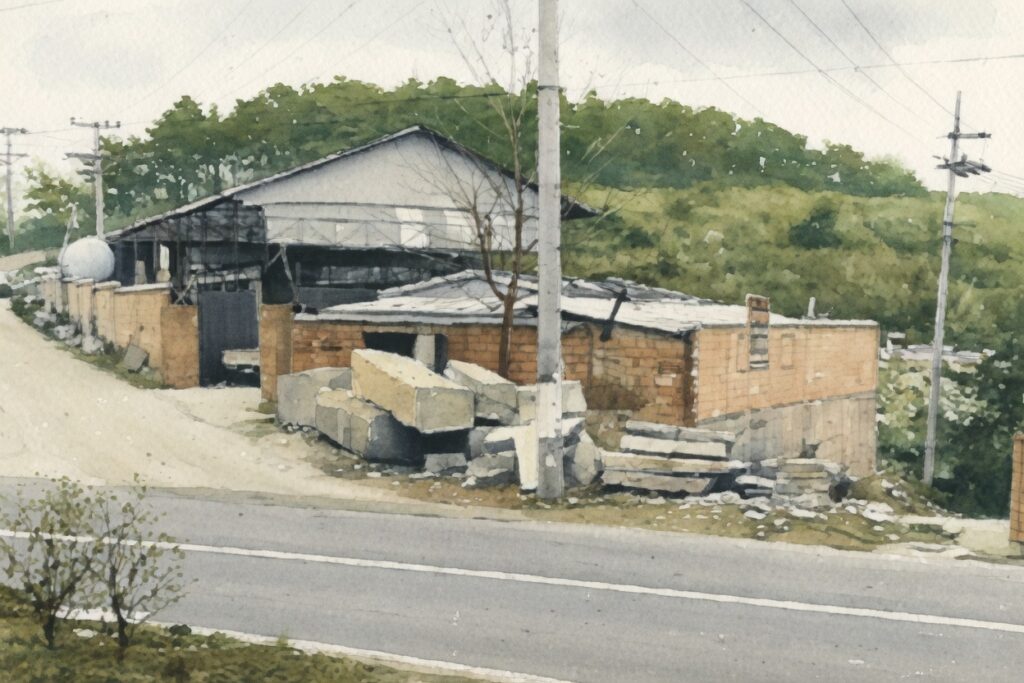
Rural farmland areas of Hwaseong, Gyeonggi Province, where several victims were discovered during the investigation.
I. The Pattern of a Predator (1986–1991)
The first victim was discovered on September 15, 1986. Over the next five years, ten women were murdered within a relatively small geographic area.
Investigators soon identified a disturbing pattern that suggested the crimes were committed by a single serial offender.
The Signature of Ligature Strangulation
In several cases, the killer used the victims’ own belongings—such as stockings, bras, or other garments—to bind and strangle them. This method of ligature strangulation became one of the key forensic characteristics linking the murders together.
The repeated nature of the attacks suggested the actions of a calculated and organized offender.
Environmental Factors
Many attacks occurred on rainy nights or in isolated locations such as barley fields, rural paths, and drainage ditches. The killer appeared to exploit poor visibility and the rural terrain to avoid detection.
Over time, fear spread throughout the region, and the case became one of the most widely discussed criminal investigations in South Korea.
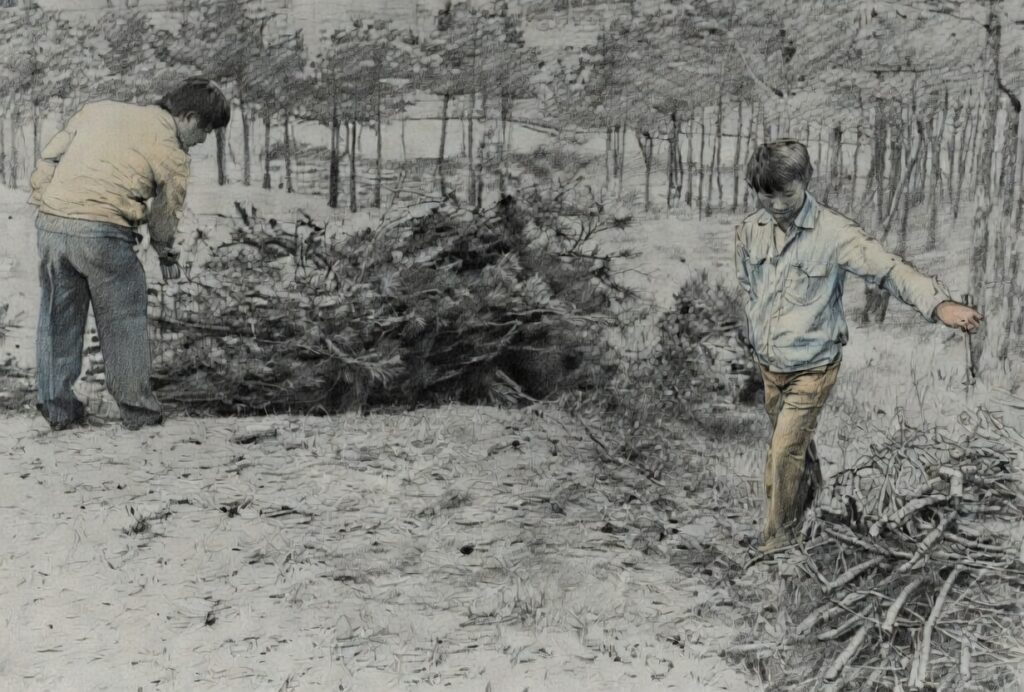
Police searching farmland areas during the Hwaseong serial murder investigation in the late 1980s.
II. The Largest Investigation in Korean History
The Hwaseong murders triggered one of the largest criminal investigations ever conducted in South Korea.
Scale of the Investigation
| Investigation Metric | Estimated Scale |
|---|---|
| Suspects Questioned | 21,000+ |
| Individuals Investigated | ~40,000 |
| Police Investigative Actions | 2,000,000+ |
| Biological Samples Collected | Hundreds |
During the late 1980s, DNA analysis was not yet widely available in South Korea. Although biological evidence was collected from crime scenes, the technology of the time could not identify the perpetrator.
As the murders continued without resolution, public pressure on investigators intensified.
III. The Tragedy of Wrongful Conviction: Yoon Sung-yeo
One of the most controversial chapters of the Hwaseong investigation involved the wrongful conviction of Yoon Sung-yeo.
In 1989, police arrested the 22-year-old man in connection with the eighth murder. During interrogation, Yoon confessed and was later convicted.
However, Yoon later revealed that his confession had been forced during intense questioning involving threats and physical abuse.
Yoon had intellectual disabilities and limited mobility caused by childhood polio, conditions that critics argued made him particularly vulnerable during police interrogation.
Despite these concerns, he was sentenced to life imprisonment and spent more than twenty years in prison before being released on parole in 2009.
After new DNA evidence identified the real perpetrator decades later, Yoon’s case was reopened. In 2020, the Suwon District Court officially acquitted him in a retrial, acknowledging the use of illegal interrogation methods during the original investigation.
The case remains one of the most significant wrongful convictions in South Korean legal history.
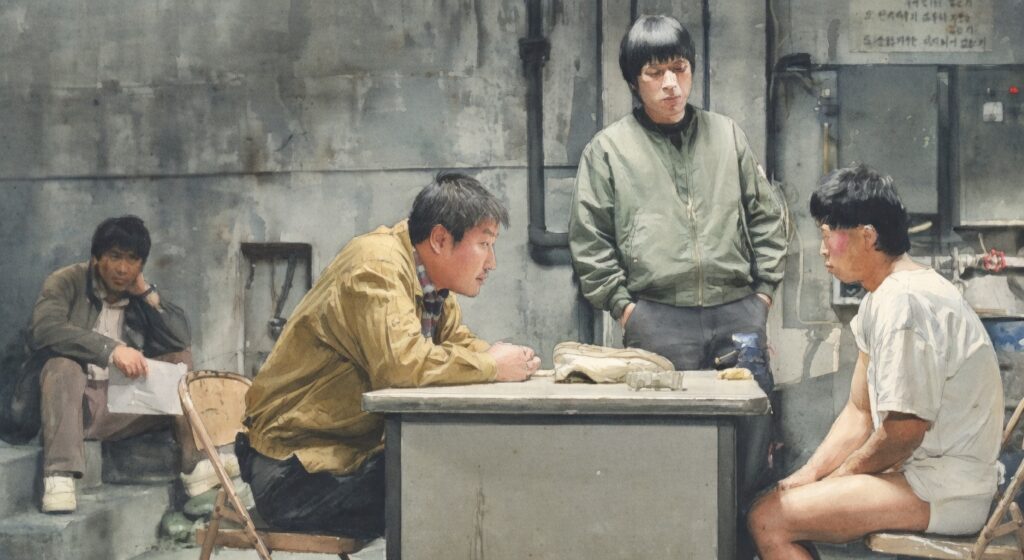
Yoon Sung-yeo, who was later acquitted after spending more than twenty years in prison for a crime he did not commit.
IV. The 2019 DNA Breakthrough: Identifying Lee Chun-jae
The mystery began to unravel in September 2019 when the National Forensic Service reexamined preserved evidence using advanced DNA technology.
The analysis matched the DNA of Lee Chun-jae, a man already serving a life sentence for the 1994 murder of his sister-in-law.
After being confronted with the DNA evidence, Lee eventually confessed to multiple murders connected to the Hwaseong case. During police interviews, he provided details about the crimes that had never been publicly released.
The confession finally revealed the identity of the perpetrator behind one of Korea’s most infamous serial murder cases.
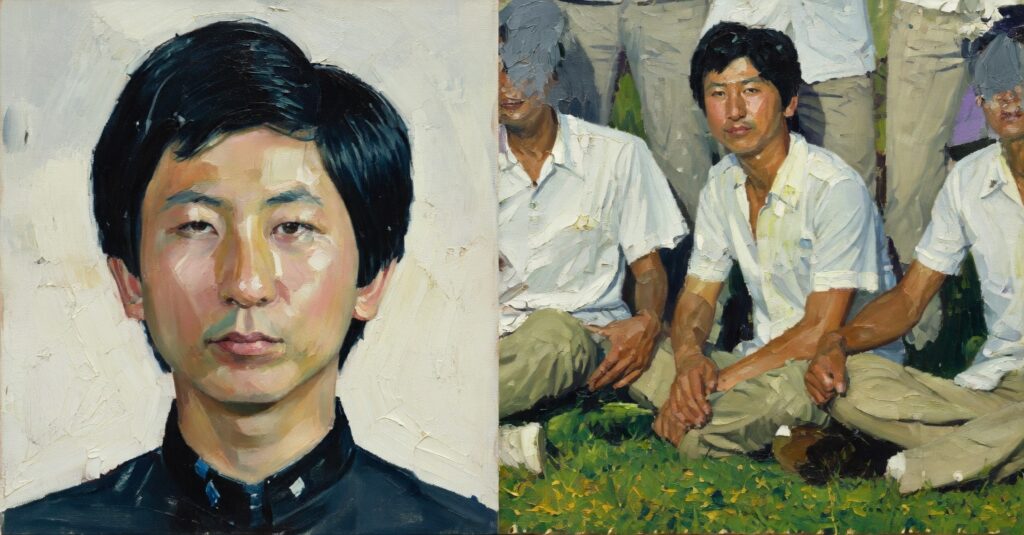
Lee Chun-jae, identified through DNA evidence as the perpetrator of the Hwaseong serial murders.
V. The Legal Void: Why Justice Came Too Late
Despite the definitive identification of the killer, Lee Chun-jae could not be prosecuted for the Hwaseong murders.
At the time the crimes were committed, South Korean law imposed a 15-year statute of limitations for murder. The time limit for the Hwaseong cases expired in April 2006.
Although South Korea later abolished the statute of limitations for murder in 2015, the constitutional principle of non-retroactivity prevented the new law from being applied to earlier crimes.
As a result, Lee Chun-jae remains imprisoned for his 1994 conviction but will never be formally sentenced for the Hwaseong murders.
Film Adaptation: Memories of Murder (2003)
The Hwaseong case gained international attention through the film Memories of Murder (2003), directed by Bong Joon-ho.
The film portrays the early stages of the investigation and highlights the limitations of forensic technology and police procedures during the 1980s.
Today, the movie is widely regarded as one of the greatest crime films ever produced in South Korea.

Memories of Murder (2003), directed by Bong Joon-ho, was inspired by the Hwaseong serial murder case.
Conclusion: A Legacy of Reform
The Hwaseong Serial Murders profoundly changed South Korea’s criminal justice system.
The case exposed weaknesses in investigative procedures, forensic capabilities, and interrogation practices. It contributed to the modernization of forensic science, the development of national DNA databases, and the eventual abolition of the statute of limitations for murder.
Although the legal system failed to convict the perpetrator for these specific crimes, the legacy of the Hwaseong investigation continues to influence criminal justice reforms and forensic standards in South Korea today.
Sources
Gyeonggi Nambu Provincial Police Agency – Final Investigation Report (2020)
National Forensic Service – DNA Reanalysis Records
Suwon District Court – Retrial Documents of Yoon Sung-yeo (2020)
Yonhap News & The Korea Herald Historical Archives
SBS Unanswered Questions Documentary Series